
How to Spot AI-Generated Fake Images (Without Becoming Paranoid)

It looked real… until it wasn’t
AI-generated images are now convincing enough to fool thousands — sometimes millions — of people.
A recent example involved highly realistic AI images claiming to show Zendaya’s “wedding” to Tom Holland — widely shared online and believed by many to be genuine, even though the event never actually happened. The pictures looked exactly like the kind of photos you’d expect to see from a real-world celebration, which is why so many people accepted them without question.
From moments like that, to dramatic “breaking news” visuals, the line between real and generated is getting harder to see. You might scroll past something, react to it, maybe even share it — all before stopping to question whether it’s actually real.
And this isn’t just a niche problem anymore. Estimates suggest deepfake content has grown from hundreds of thousands of images to millions in just a few years, driven by rapid improvements in AI tools. That growth isn’t just about quantity — it’s about quality too. The images are sharper, more consistent, and far more believable than they were even a year or two ago. And these tools — along with the hardware that powers them — are only going to keep improving over time.
This isn’t just about fake images or videos
The bigger shift is this: we’ve been trained to trust what we see. Photos have always felt like evidence — proof that something happened. For years, if you saw an image of an event, the default assumption was that it must be real.
But AI changes that. We’re now in a world where real images can be dismissed as fake, and fake images can be accepted as real. And it’s not just images — AI-generated videos are rapidly reaching the same level of realism, especially in the way they handle motion, lighting, and faces. Some researchers are already warning about a broader collapse of trust in online imagery. That sounds dramatic, but in everyday terms it simply means this: you can’t rely on images — or even short video clips — alone anymore. And that has real consequences for how we consume news, make decisions, and form opinions.
Where this is already showing up
This isn’t limited to one corner of the internet. We’re seeing AI-generated or manipulated images across celebrity and lifestyle content, breaking news and disasters, political and protest scenes, and even everyday marketing materials.
These are the exact places people don’t expect to question what they’re seeing.
That’s what makes this shift important. These aren’t obscure edge cases — they’re part of the normal content people scroll through every day.
How to spot AI images (without overthinking it)
You don’t need to become a digital forensic expert. In most cases, a few simple checks are enough.
Start with the source. If an image appears without a clear origin — no recognised account, publication, or context — that alone is a reason to pause. Then consider whether anyone else is reporting it. Real events, especially dramatic ones, tend to appear across multiple sources. If something only exists in one post, that’s a warning sign.
Next, look at whether the situation actually makes sense. Check the timing, the location, and the surrounding context. Often, it’s not the image itself that gives it away — it’s the story around it that doesn’t quite add up.
It’s also worth glancing at the comments for that image. While they’re not always reliable, they can act as an early warning system. If multiple people are questioning an image or pointing out inconsistencies, that’s a signal worth paying attention to.
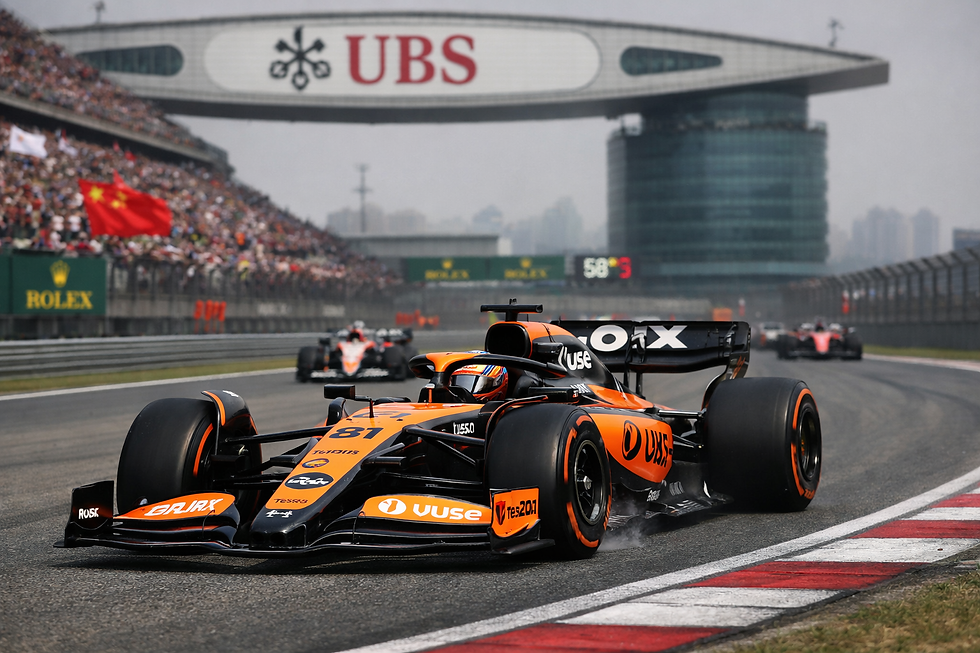
Finally, trust your instincts when something looks too perfect. AI images often appear overly cinematic or unusually polished, with a slightly staged or “movie-like” feel. Real life is usually a bit messier.
Can tools or labels help?
There are online tools that attempt to detect whether an image has been AI-generated, and they can be useful — but they’re not definitive. Some AI images are detected correctly, others are missed, and occasionally real images are flagged incorrectly. Tools such as watermark detectors or services like SynthID can offer a quick signal, but they shouldn’t be treated as a final answer.
You may also have noticed platforms starting to label content as “AI-generated.” These labels come from a mix of creator disclosure, platform detection, and embedded provenance data. It’s a positive step, but coverage is still patchy. Labels can be lost when images are edited or reposted, and not all tools or creators apply them consistently.
In practice, both tools and labels are best treated as supporting signals rather than a universal “this is fake” badge. The most reliable approach is still a combination of source, context, and common sense.
The goal isn’t paranoia — it’s awareness
You don’t need to question every image you see. That would be exhausting, and unnecessary.
But you do need to shift from “looks real, so it must be real” to “looks real, so it’s worth a quick check.” That small change in mindset is enough to avoid most of the obvious traps. It’s not about becoming suspicious of everything — it’s about recognising that images are no longer automatic proof.
What this means for businesses using AI
This isn’t just about what you see — it’s also about what you create. If you’re using AI-generated visuals in your business, the stakes are different, because you’re shaping how others perceive reality.
That means being clear about what’s generated and what isn’t, avoiding content that could be mistaken for real-world events, and using AI visuals as illustration rather than deception. It also means prioritising long-term trust over short-term engagement. Once trust is lost, it’s difficult to rebuild — and rarely worth the risk.
If you’re starting to use AI in your business, the real risk isn’t the tools — it’s using them without clear boundaries.
That’s exactly what an AI Readiness Consultation is designed to help with: understanding where AI fits, where it doesn’t, and how to use it responsibly — so you can get the benefits without creating confusion or damaging trust.
Final thought
AI images aren’t going away. They’ll keep getting better, faster, and more convincing, and over time they’ll become a normal part of how content is created and shared.
The solution isn’t fear — it’s understanding. The people who do best in this environment won’t be the ones who avoid AI, but the ones who know how to use it — and interpret it — properly.

